
Daily Douglas County Court Dockets
Douglas County District Court publishes public calendar information through the Minnesota Judicial Branch daily calendar system, and the research inspected the Douglas County daily calendar PDF. The calendar is a hearing schedule, not the whole file. It shows what is set for court, who is connected to the entry, where the event is assigned, and the case number. It can include criminal, civil, family, probate, traffic, harassment, implied-consent, order-for-protection, and administrative conference events.
The daily docket is useful for a near-term hearing check, but it can change. A case may settle, a hearing may move, a plea can be entered, or a continuance can be granted. For a full case event history, search MCRO Case Search or ask Court Administration. For the broader case record and documents, use Douglas County court records rather than relying on a calendar entry alone.
The Minnesota District Court fees page is a separate reference for copy and court service fees tied to docket records.
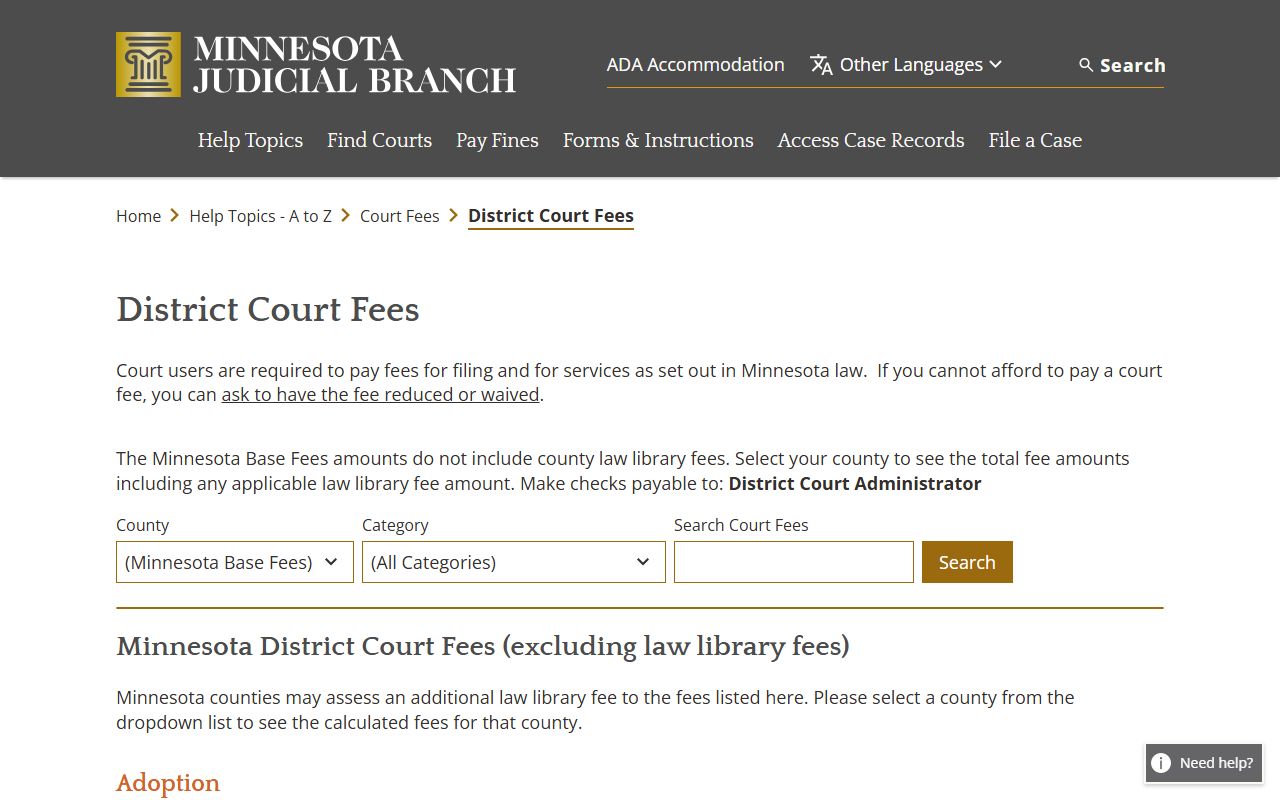
Fee information belongs outside the daily calendar, but it becomes relevant when a docket search leads to a copy request.
Find Douglas County Court Dockets Online
Use MCRO Hearing Search when the goal is a hearing lookup by person name, business name, case number, judicial officer, attorney name, or attorney bar number. Use the Douglas County daily calendar when the goal is a public schedule for upcoming local hearings. The two tools overlap, but they are not identical. Hearing Search is a searchable statewide tool, while the daily calendar is a county calendar document.
- Start with the name, case number, citation number, or attorney information connected to the case.
- Search MCRO Hearing Search and filter results to Douglas County when the option is available.
- Open the Douglas County daily calendar when checking the public schedule for a specific court date.
- Compare the hearing type, location, judicial officer, and case number before relying on the entry.
- Contact Court Administration if the hearing is not listed, appears changed, or requires official confirmation.
The Minnesota Pay Fines page is relevant for payable citations, payment plans, and traffic matters that may also appear on Douglas County court dockets.
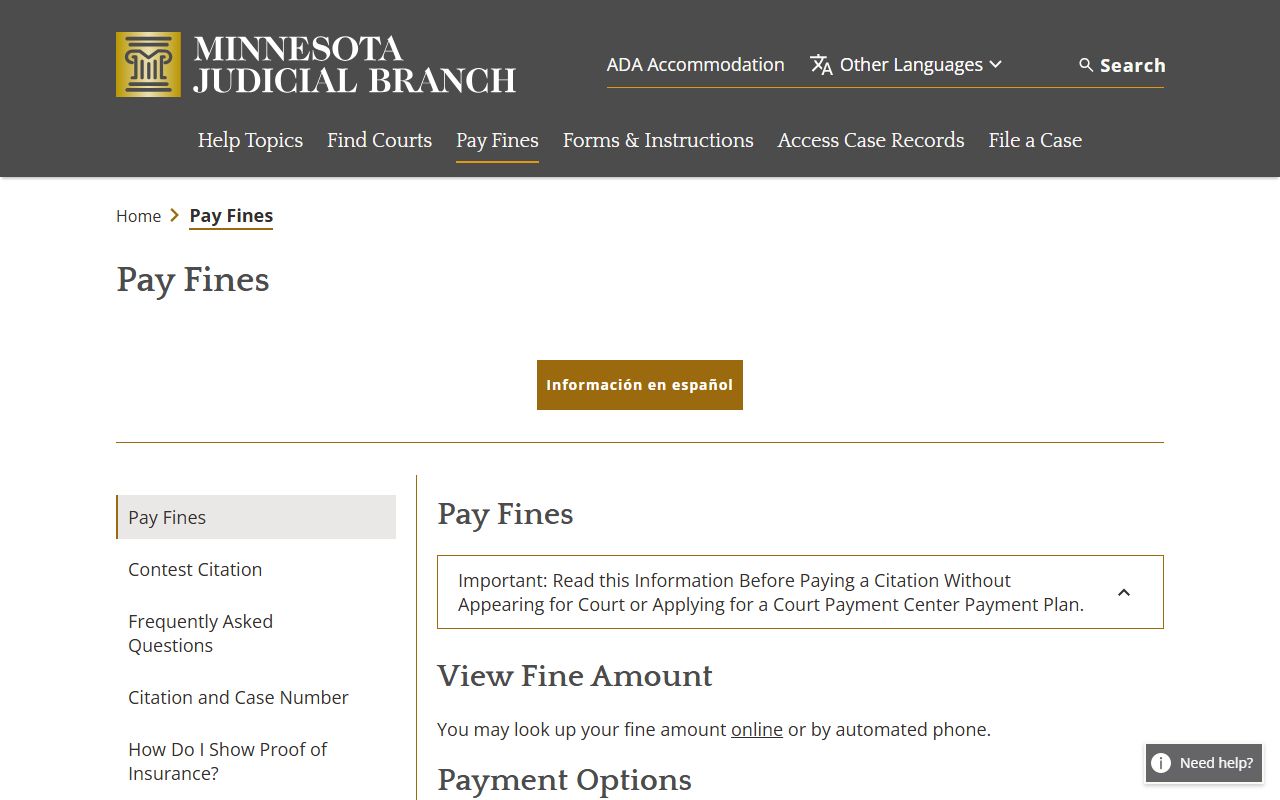
Payment tools do not replace the docket, but they explain why a citation may not require an in-person hearing.
Sample Douglas County Court Docket Fields
The inspected Douglas County daily calendar shows a compact set of fields. These fields are enough to identify the case, hearing, role, time, and courtroom, but they do not show the full pleadings, evidence, exhibits, sentencing terms, or orders. If the calendar lists "File or Appear," the entry may be an administrative conference or nonstandard appearance setting rather than a courtroom event.
| Calendar Field | What It Shows |
|---|---|
| Party Name | The person, business, attorney, petitioner, respondent, defendant, plaintiff, or person subject to guardianship tied to the calendar entry. |
| Hearing Location | Observed entries include Court Room B, Court Room C, and File or Appear. |
| Hearing Date | The date assigned for the court event. |
| Time | The scheduled time for the hearing or administrative event. |
| Judicial Officer | Observed Douglas County calendar officers include Timothy M. Churchwell and Michelle L. Clark. |
| Hearing Type | Examples include arraignment, bail hearing, motion hearing, plea hearing, sentencing, probate hearing, and court trial. |
| Connection Type | Role labels such as defendant, attorney, petitioner, respondent, plaintiff, or person subject to guardianship. |
| Case Number | The court file number, such as CR, CV, FA, PR, or VB formats observed in Douglas County records. |
Douglas County Court Dockets by Court
Douglas County court dockets come from Minnesota District Court. The county does not use separate JP courts, county courts at law, or municipal courts for the covered court-record topics. Douglas County District Court is the trial court and has original jurisdiction over civil, family, probate, juvenile, criminal, and traffic cases. Appeals generally move to the Minnesota Court of Appeals, but trial calendars and daily dockets remain local District Court records.
The Minnesota Court Web Payment portal can be tied to docket work because some citations can be paid without a hearing, while others turn into scheduled court events.
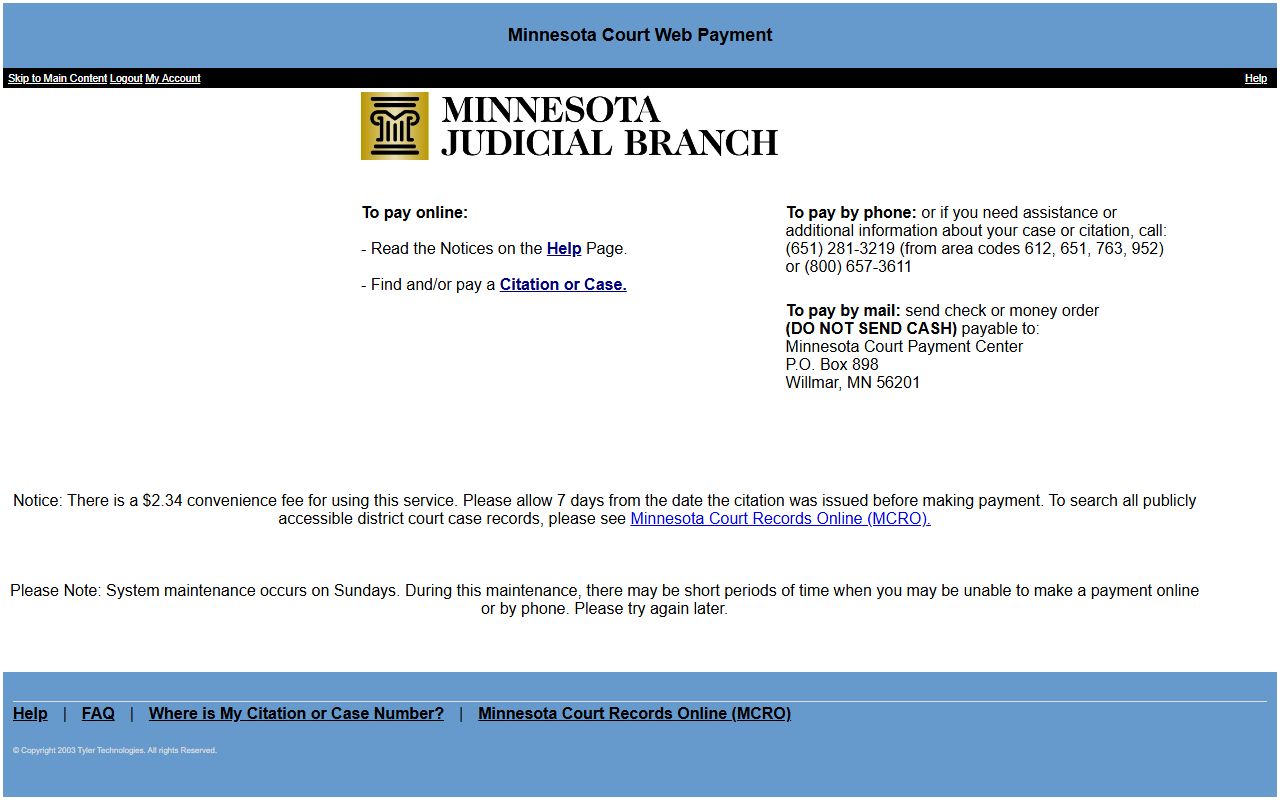
When Web Payment cannot resolve a citation, MCRO and the daily calendar help track whether a hearing has been set.
- Criminal dockets can include bail hearings, first appearances, omnibus hearings, plea hearings, trials, sentencing, and probation violations.
- Civil dockets can include motion hearings, implied-consent hearings, court trials, default hearings, and settlement conferences.
- Family dockets can include orders for protection, divorce-related events, paternity matters, and custody or support hearings.
- Probate dockets can include probate hearings, guardianship or conservatorship events, and administrative conferences.
- Traffic dockets can include VB cases, court trials, and DWI-related criminal or implied-consent events.
Douglas County Dockets vs Case Records
A docket is a roadmap. A case record is the file. The docket tells when events happened or are scheduled, while the case record may contain pleadings, complaints, orders, judgments, public documents, notices, and disposition entries. MCRO Case Search may show the Register of Actions, and Document Search may show public documents by case number. The daily calendar is narrower because it is built for hearing schedules.
| Topic | Docket or Calendar | Full Case Record |
|---|---|---|
| Main purpose | Track hearings and events. | Review the case file and record history. |
| Typical fields | Party, hearing date, time, location, officer, hearing type, role, case number. | Parties, filings, documents, register, orders, dispositions, judgments, fees, and hearings. |
| Best source | MCRO Hearing Search and daily calendar. | MCRO Case Search, Document Search, courthouse terminal, and Court Administration. |
| Limits | May change and does not show full documents. | May be redacted, sealed, restricted, or unavailable remotely. |
The Court Web Pay search help explains the difference between citation numbers and case numbers for traffic docket checks.
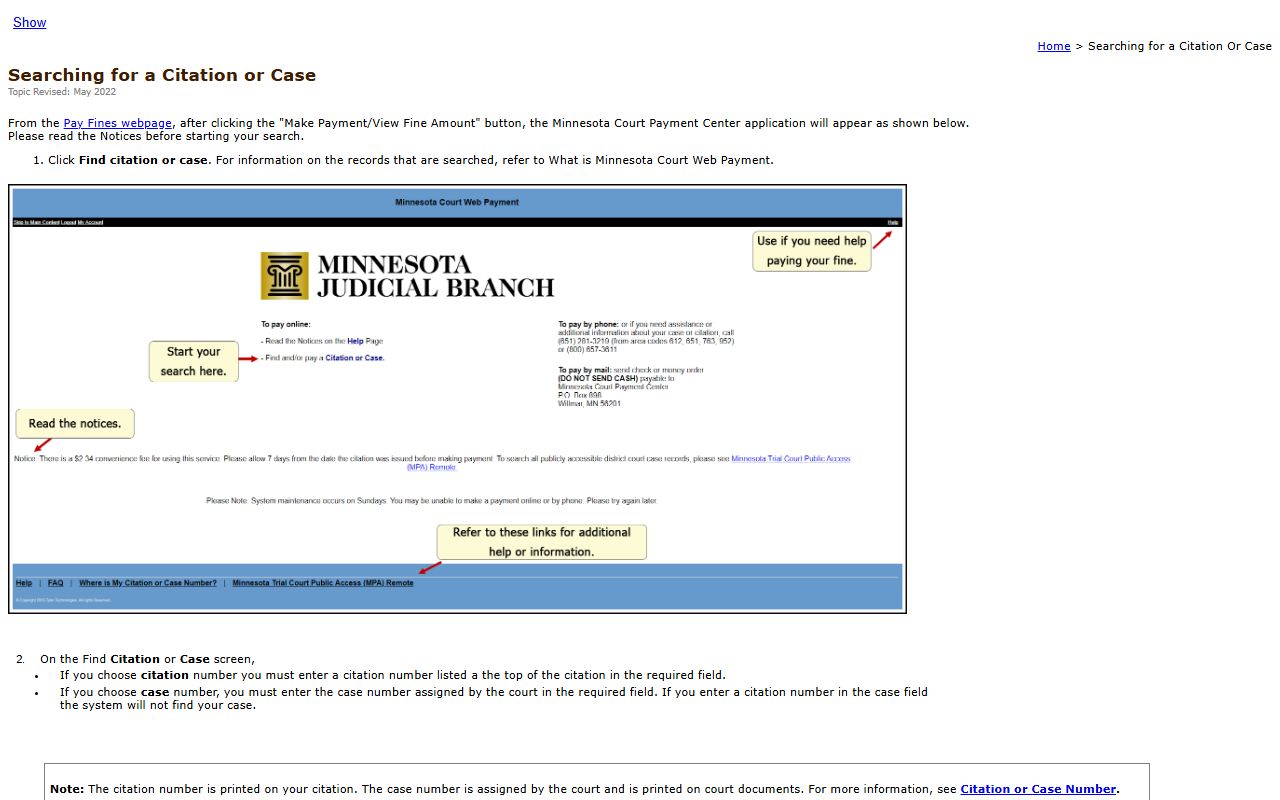
That distinction helps prevent failed searches when a citation number is entered into a case-number field.
Douglas County Court Docket Changes
Douglas County court dockets are current tools, not permanent promises. The research calendar showed a 22-page daily hearing list for late June 2026, with criminal, civil, family, probate, traffic, implied-consent, harassment, and order-for-protection matters. A large daily list can shift as cases resolve, parties file motions, attorneys request continuances, defendants enter pleas, or the court changes an appearance setting. That is why the daily calendar should be matched against MCRO Hearing Search and, when needed, Court Administration.
Court Room B, Court Room C, and File or Appear entries also require close reading. A courtroom label suggests an assigned hearing room. A File or Appear entry may involve an administrative conference, a filing deadline, or a setting that does not work like a standard courtroom appearance. The calendar field does not give all instructions a party may have received in a notice or order. If an entry is unclear, the case file and court notice control over a short public calendar row.
Connection types also affect how the docket should be read. A party name can appear with a role such as defendant, attorney, petitioner, respondent, plaintiff, or person subject to guardianship. A single case can list multiple people and roles, so a name on the calendar does not always mean the same thing from one entry to the next. The role column is a useful guardrail when two cases have similar names or when a family, probate, or guardianship matter lists more than one person.
The docket also reflects Douglas County's unified trial court structure. Since traffic, criminal, family, civil, juvenile, and probate matters route through District Court, the same daily calendar can mix very different case types. A reader should not assume that two entries near each other on the calendar have the same public-access rules or the same next step.
Read Douglas County Court Dockets
Case number prefixes are one of the quickest ways to understand the docket entry. The research observed CR for criminal cases, CV for civil matters such as implied consent and harassment, FA for family and order-for-protection cases, PR for probate, and VB for traffic or violations bureau matters. The number 21 appeared as the Douglas County location code in observed MNCIS case numbers. A prefix is not the full story, but it is a useful first sort.
Hearing types need context. An arraignment is an early criminal hearing where charges and plea issues are addressed. An omnibus hearing is a Minnesota criminal pretrial hearing that can address probable cause, motions, evidence, and procedure. A sentencing hearing is where judgment or sentence is imposed. A probate hearing may concern estate, trust, guardianship, or conservatorship issues. A File or Appear setting should be confirmed before travel because it may not work like a courtroom hearing.
Note: A docket entry can change quickly, so confirm urgent hearing details with Court Administration before relying on travel plans.
The Minnesota court forms source appears in the docket manifest because forms and hearings often intersect after a case is filed.
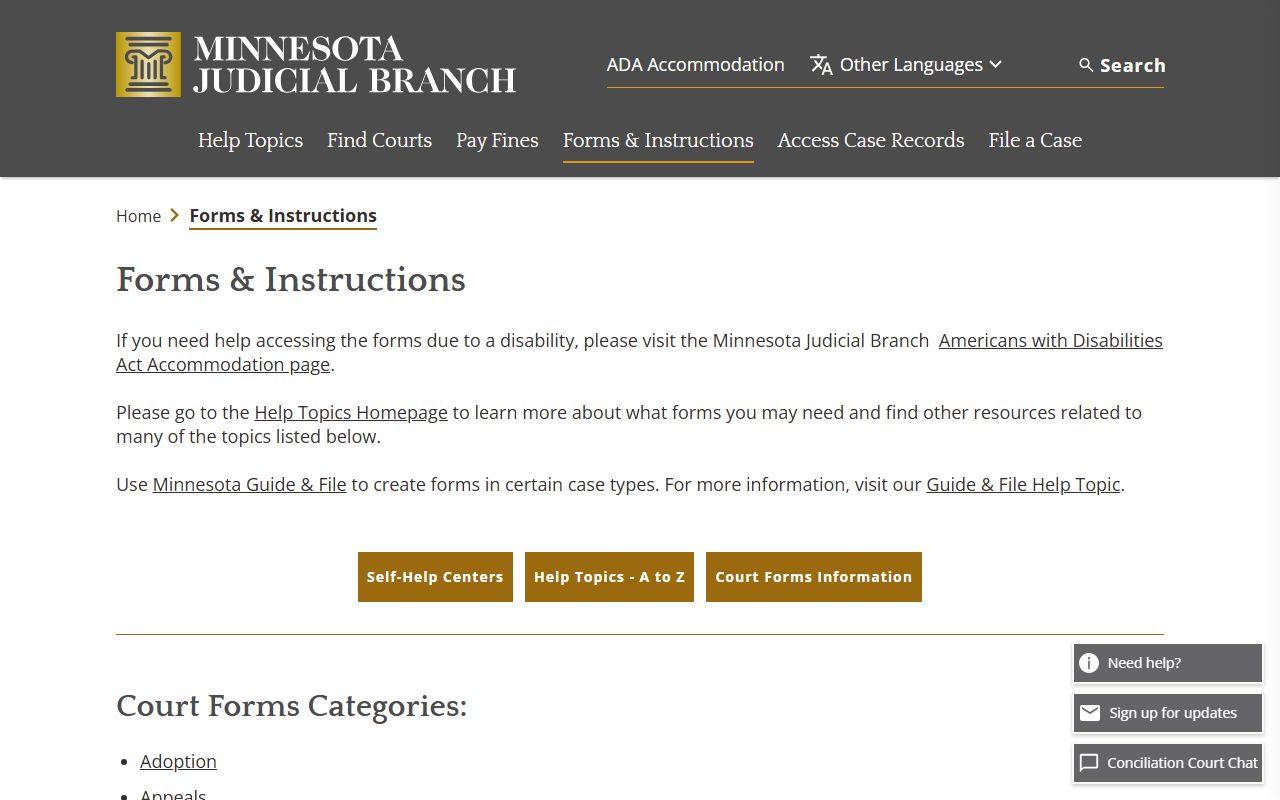
Forms do not create the daily docket by themselves, but filed papers can lead to hearings and calendar entries.
The Minnesota divorce forms source is one example of family filings that can later appear on Douglas County court dockets.
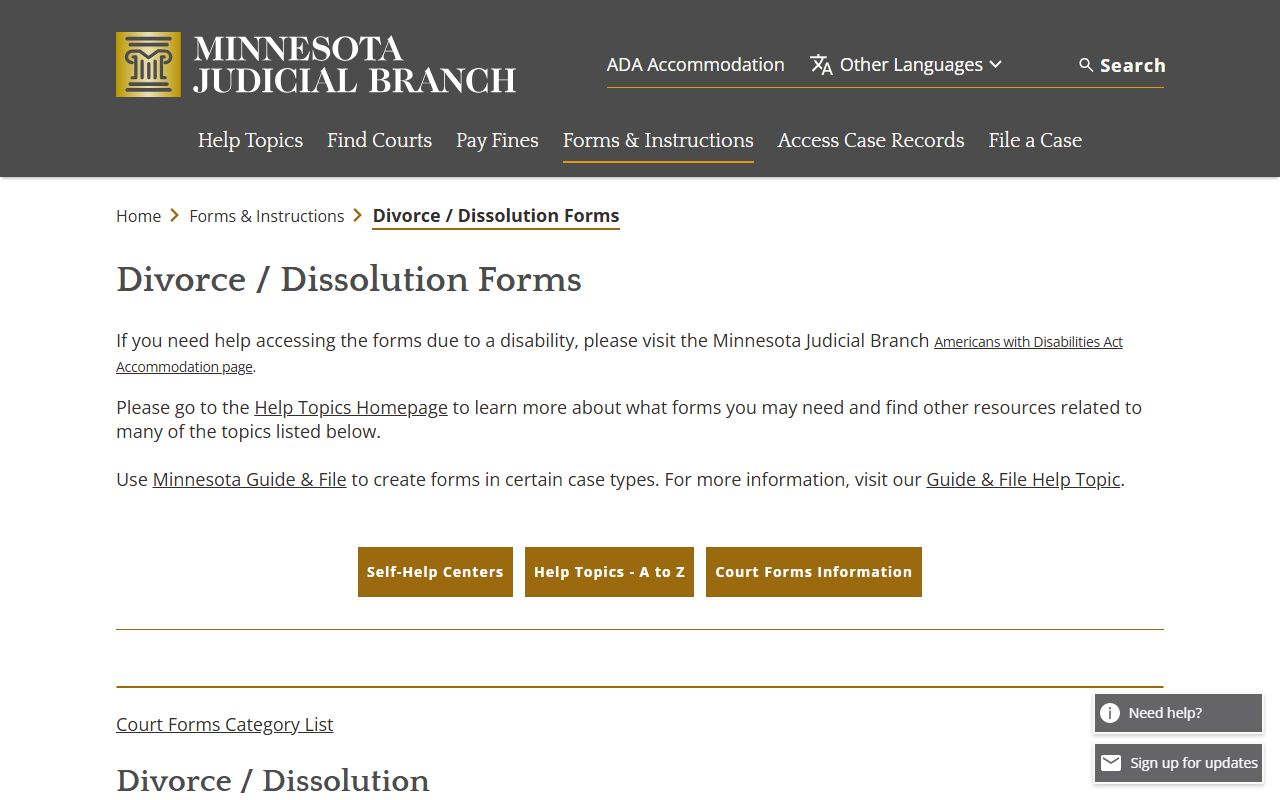
Family docket entries may show hearings while online documents remain limited by family-record access rules.